Interesting facts about sharks
Sharks are one of the least studied marine animals. How much do we actually know about them?
Did You Know?
Did you know white sharks, bull sharks and tiger sharks can travel long distances, including thousands of kilometres, as part of their natural movements along Australia’s coastline?
Scientists use shark tagging and monitoring programs to better understand shark behaviour, movement patterns and environmental conditions that influence where sharks may be found. This information also helps support public safety programs in NSW.

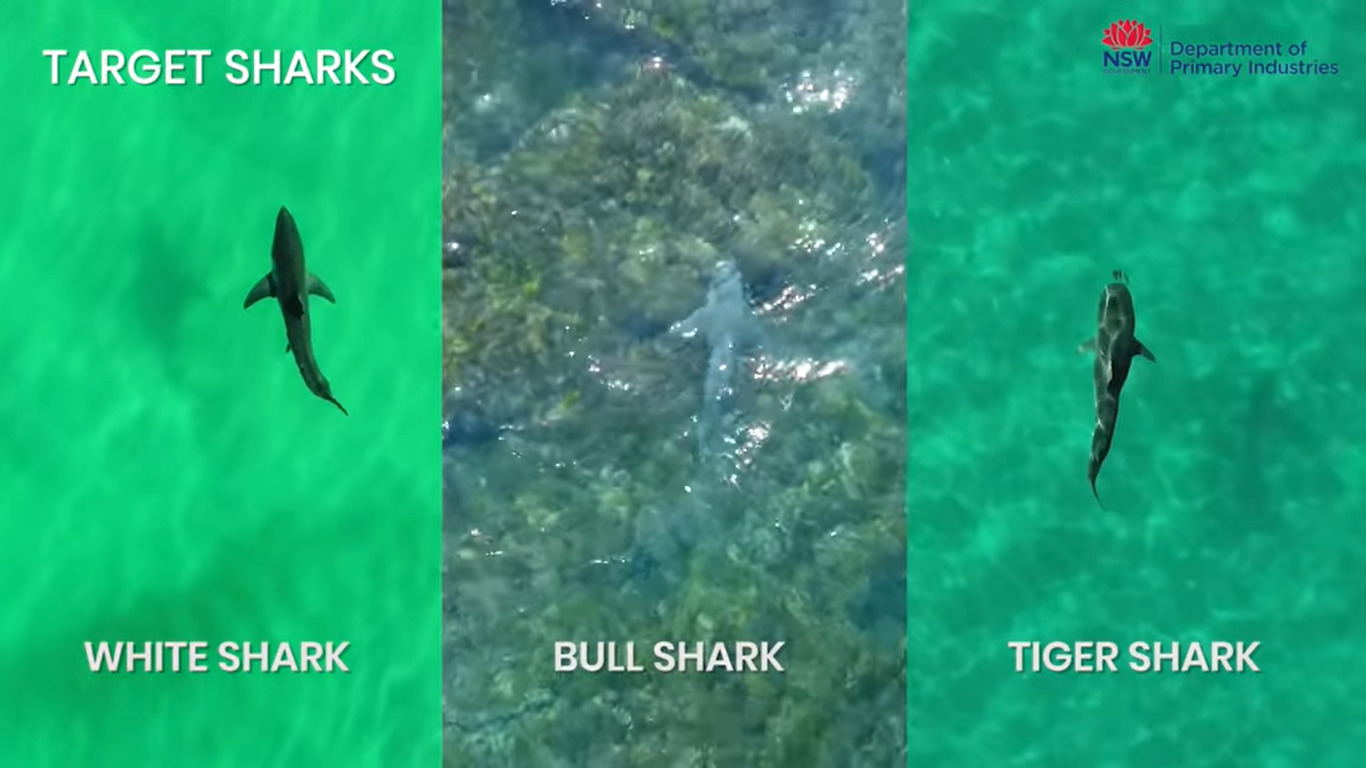
The three target species of the NSW Shark Management Program are white sharks, bull sharks and tiger sharks.
These three species are the sharks most frequently involved in serious shark bites in NSW.
Sharks can occur along the NSW coast throughout the year, but their activity changes with seasonal and environmental conditions.
White sharks are more commonly recorded from late autumn to spring, while bull sharks and tiger sharks are generally more common in warmer months.
Sharks continually replace their teeth throughout their lives, with some species replacing thousands of teeth.
Sharks play an important role in healthy marine ecosystems by helping to balance ocean food webs.
Stay informed and reduce your risk
There are many types of sharks around Australia. Many are harmless to humans. Sharks are an important part of a healthy ecosystem and a reality of the ocean. There are many things being done along the coastline to reduce the risk of an unwanted shark encounter or shark incident. Download the NSW SharkSmart app or visit the website to learn about the Current Program . Check out these tips to reduce your risk while enjoying our beautiful beaches.
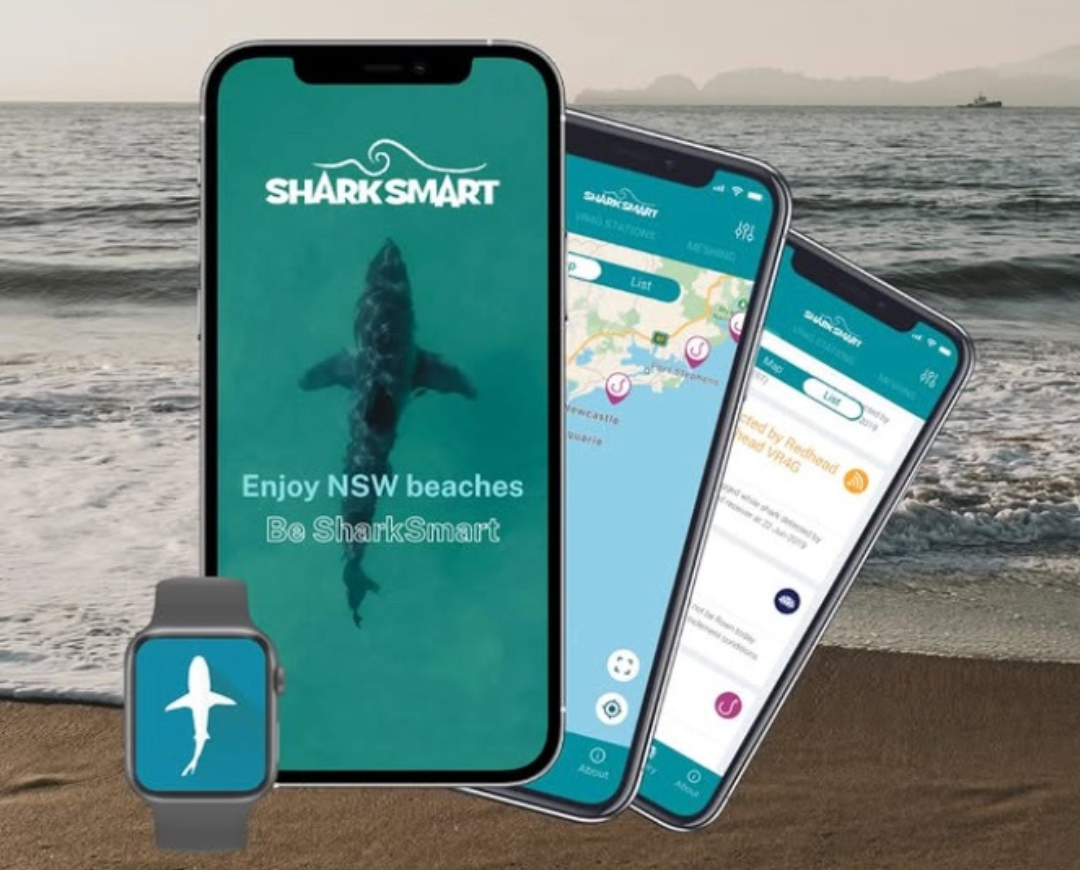
SharkSmart is an NSW Government program offering real-time shark alerts and beach safety tools.
Safety tips
Tip #1
Swim at patrolled beaches and between the red and yellow flags. Lifeguards and lifesavers monitor conditions and can provide important safety advice. Leave the water immediately if a shark alarm sounds or a shark is sighted nearby.
Tip #2
Avoid swimming, surfing or diving at dawn, dusk and at night. These low-light conditions make it harder for you to see what is happening in the water.
Tip #3
Stay away from murky water and areas where fish are actively feeding. Look out for signs such as schools of baitfish, diving seabirds and dolphins, which may indicate increased marine activity.
Tip #4
Pay attention to beach signage and local warnings. Check current conditions before entering the water and follow the advice of lifeguards, lifesavers and beach safety signs.
Tip #5
Buddy up! It's best to swim, dive or surf with other people, so you can look out for one another.
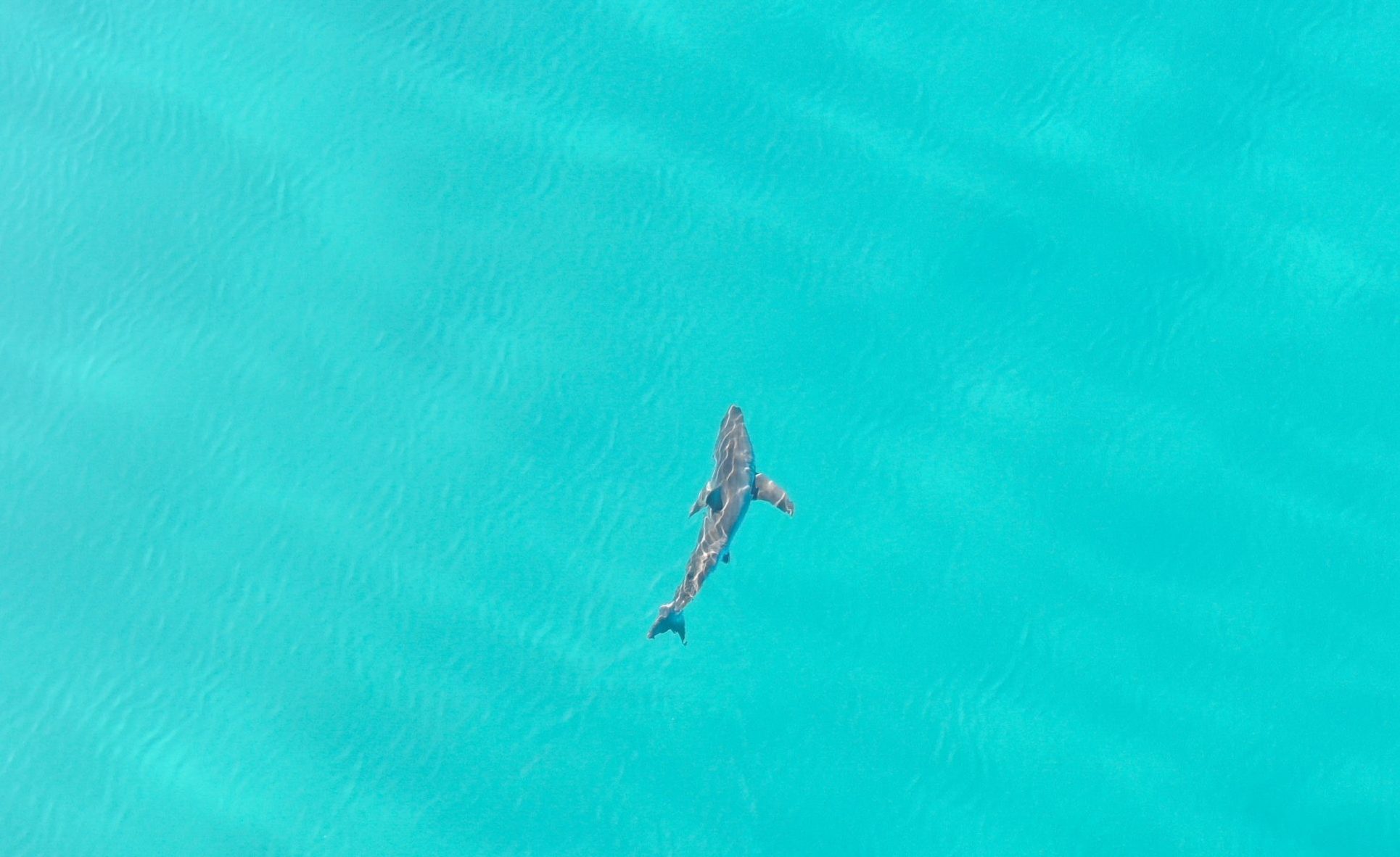
NSW Department of Primary Industries and Regional Development (DPIRD) and Surf Life Saving NSW are trialing drones to help pilots spot sharks from the air and improve beach safety.