
Rock Fishing Project 2026/27
Education Saves Lives
Rock fishing is a popular pastime across New South Wales, with an estimated 1.5 million people participating in rock fishing. However, it also carries a high risk of injury and drowning. As the second highest contributor to coastal drowning fatalities in NSW, rock fishing remains a serious safety concern. According to Surf Life Saving Australia and Surf Life Saving NSW rock fishing incident data, there have been 269 recorded rock fishing deaths nationally, including 186 in NSW alone, and 70% of rock fishers who lost their lives were not wearing a life jacket.
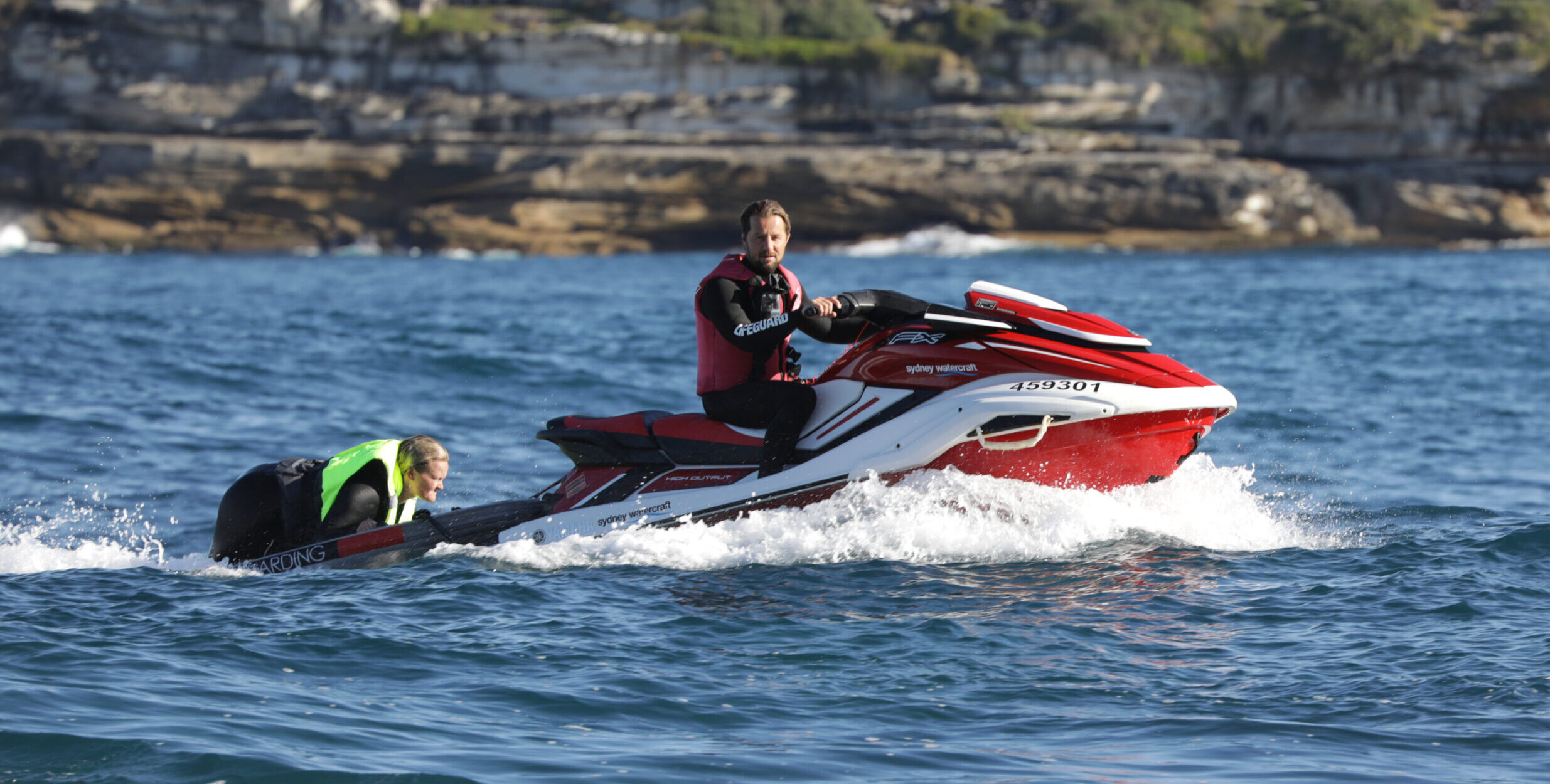
The 2026/27 SLSNSW Rock Fishing Safety Project is working to improve safety outcomes by raising awareness, encouraging safer behaviours, and increasing life jacket wear among rock fishers, especially in high-risk communities. Supported by the NSW Department of Primary Industries and Regional Development (DPIRD), the project is delivered in collaboration with emergency services, government agencies, and community organisations to provide targeted education and practical safety advice where it is needed most.
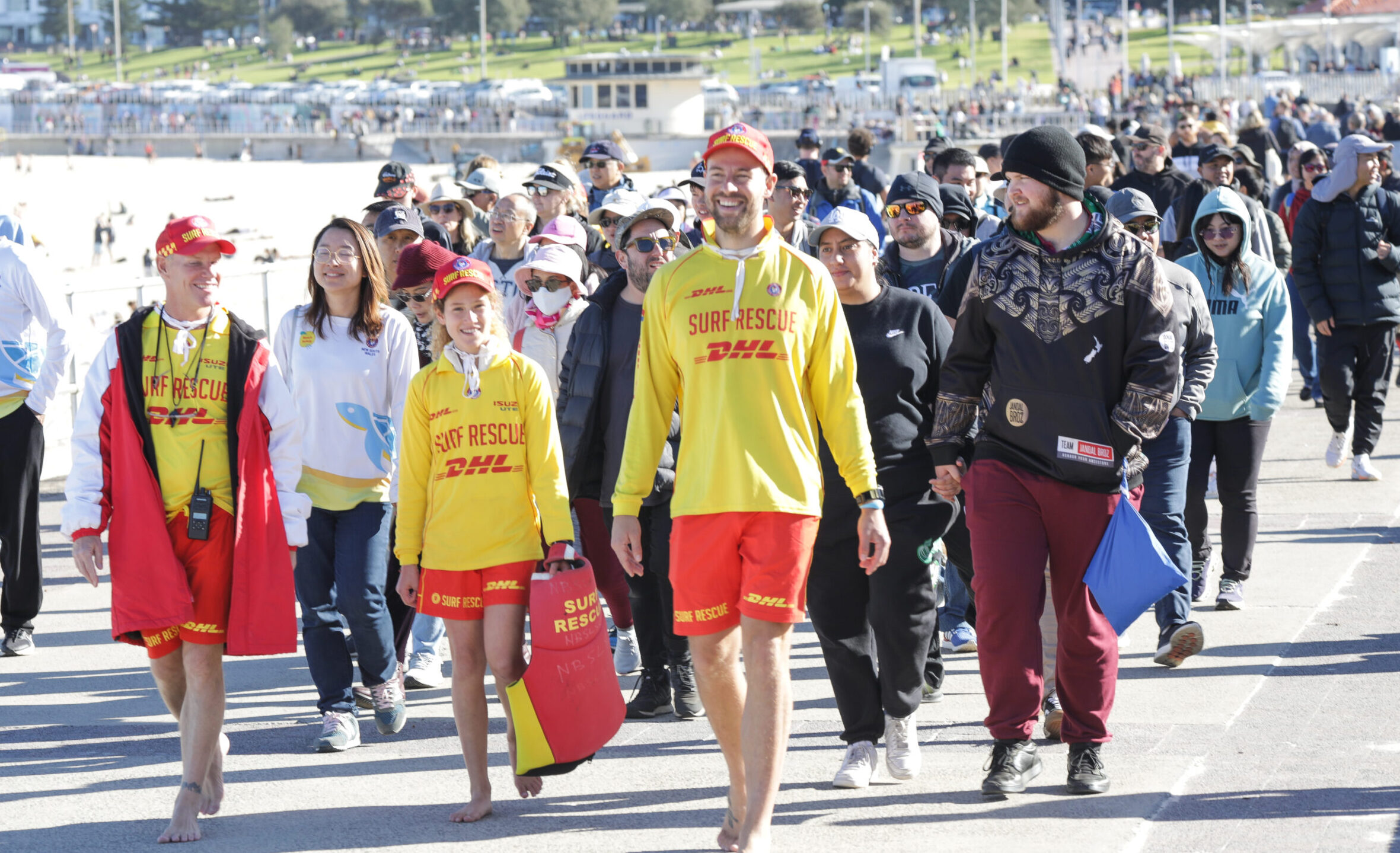
Project Goals

Safety Awareness
Raise awareness about safety measures to reduce risks while rock fishing
Community Engagement
Engage all communities and age groups in safe fishing practices
Life Jacket Adoption
Increase life jacket adoption among rock fishers to prevent fatalities
NSW Rock Fishing Safety Rules & Guidelines
Stay legal and safe with official NSW guidelines and lifejacket requirements.
Bureau of Meteorology (BOM) Marine Weather
Check real-time swell, wave heights, and tide predictions before heading out.
Rock Fishing Safety Programs
Gone Fishing Workshops
Join us for a morning workshop along the NSW coast! Enjoy expert talks, live safety demos, and personalized lifejacket fittings.
Get a FREE lifejacket and enjoy a complimentary light morning tea!
TAFE / Adult Education Session
45-60 min interactive sessions at NSW TAFE campuses, ideal for new migrants
Safety Resource Campaigns
Awareness drive through tackle shops, visitor centers, and community forums with safety materials.